One of the most common questions we hear from clients considering lip filler in Maidstone is “Should I start with 0.5ml or 1ml?”
Cheek filler is an effective, non-surgical option to cosmetic surgery which is often chosen by clients who want to restore facial structure, improve facial balance, and create a refreshed, youthful appearance. Cheek filler, when applied with skill, supports the mid-face whilst enhancing cheek contour, and bringing harmony to your features – without appearing artificial.
At Awlin Beauty Medical Aesthetics, we apply cheek filler carefully and strategically to ensure that we are not “adding volume for the sake of it”. With cheek filler, the best results come from clinical assessments of your facial structure to understand what is driving the look you want to improve. This approach results in a look that feels refined, balanced and natural.
If you’re considering cheek filler in Maidstone, this guide explains what the treatment is and who it’s suitable for. We’ll also explain how long cheek fillers tend to last and the risks of cheek filler so you understand and what to expect from your appointment.
Cheek filler can restore volume, improve cheekbone definition and support the mid-face.
It often suits people who feel they have lost facial structure or want more contour and balance.
Results are usually long-lasting, but how long they last varies from person to person.
Safety matters more than shortcuts, cheap deals or overfilled trends.
In some cases, cheek filler works best when combined with other balancing treatments.
Cheek filler is made from hyaluronic acid, similar to most other dermal fillers, and is used to restore lost cheek volume. The treatment helps to define the cheek area better and support the middle third of the face more. It can be used to subtly enhance the cheekbones, improve facial contour and create a more structured appearance, while still looking soft and natural.
For some clients, cheek filler is about adding definition. For others, it’s about restoring volume that has gradually reduced over time. A study by Wan D et al. in 2014 found that our mid-face can flatten as we age due to changes in facial fat compartments and the way facial volume shifts over time. Paired with decreased skin elasticity these changes can cause the face to look heavier, more tired or less youthful than in the past. We use well-placed cheek filler to help address these concerns by restoring the support where it matters the most.
This is one of the reasons cheek filler can have such a noticeable impact without always looking obvious. In many cases, it improves the overall balance of the face rather than drawing attention to one single feature.
If you are researching cosmetic injectables more broadly, it is worth reading the NHS’ general advice on non-surgical cosmetic procedures before booking treatment.
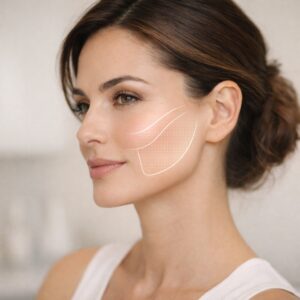
Cheek filler is not just about making the cheeks look bigger. When injected properly it can improve the balance of the whole face.
In some cases, this is why a full-face assessment matters more than treating one area in isolation. Some patients benefit from combining cheek filler with treatments such as chin filler or jawline filler for a more proportionate result.
It can suit both younger and older patients, but for different reasons. A younger patient may want more contour or definition. A more mature patient may be more focused on restoring support and structure that has reduced over time.
Cheek filler may not be suitable for everyone. Treatment may need to be delayed or avoided if you are pregnant or breastfeeding, have an active skin infection, have certain medical concerns, or are hoping for a result that filler simply cannot deliver safely.
This is why a proper consultation matters. The right treatment is not always the treatment someone first asks for.
A good cheek filler result should look elegant, balanced and believable. It should not make the cheeks look hard, puffy or obviously filled.
In most cases, a realistic result is:
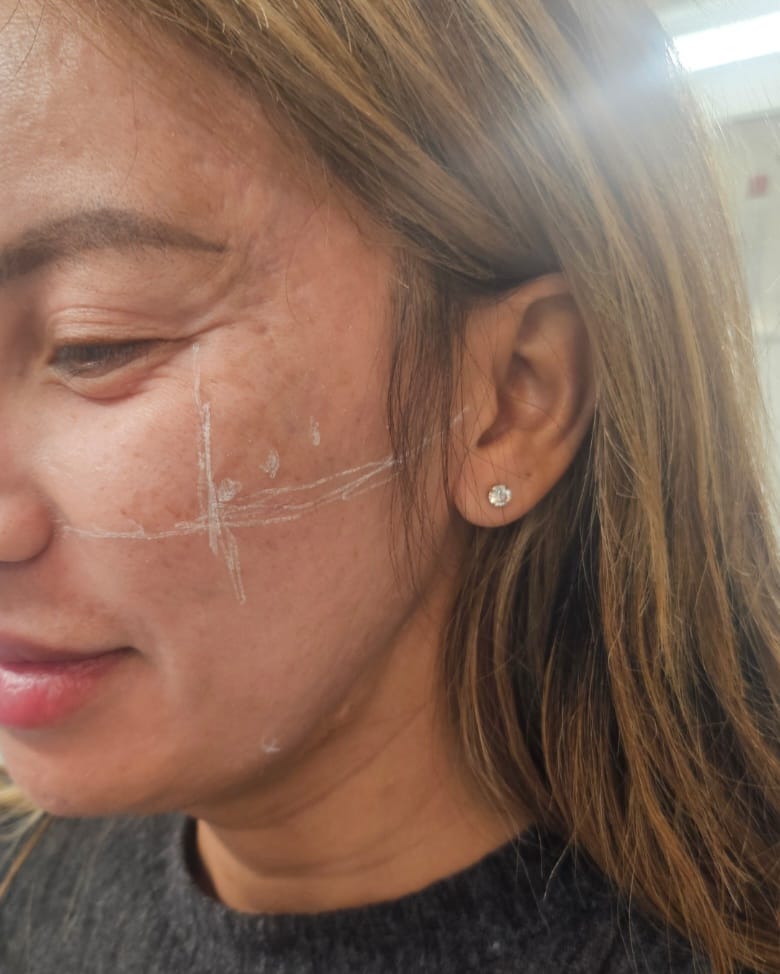
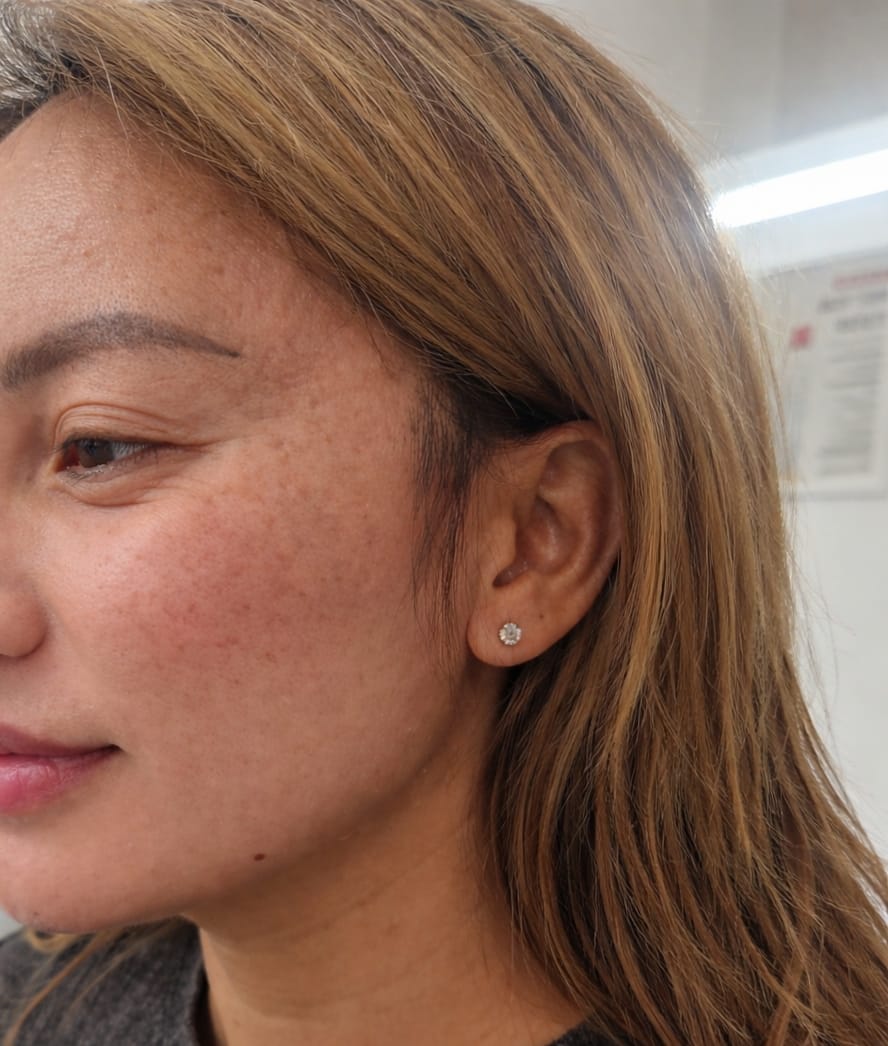
The best results are usually the ones that do not scream “filler.” They simply make the face look healthier, more supported and more proportionate.
This matters because overfilling the cheeks can quickly make the face look unnatural. It can also create heaviness rather than improve it. At Awlin Beauty, our focus is always on proportion, suitability and refined outcomes rather than chasing volume for its own sake.
To explore cheek filler in more detail, including treatment suitability and booking options, visit our main treatment page: Cheek Filler in Maidstone
This depends entirely on your facial structure, current volume, skin support and treatment goals.
Some patients need a subtle amount to create gentle contour. Others need more structural support to restore volume loss through the mid-face. In many first-time cases, treatment may involve 1–2ml, but the right amount should always be based on assessment rather than guesswork.
There is no universal “correct” number for everyone. Anyone selling filler as though all faces need the same amount is cutting corners.
A proper consultation should assess:
This is another reason why a treatment plan often matters more than chasing a set number of millilitres.
Cheek filler is generally considered one of the longer-lasting dermal filler treatments because the cheek area tends to experience less movement than areas such as the lips.
How long it lasts can vary depending on:
For some patients, results may maintain well for many months before a review is needed. For others, top-ups may be considered sooner depending on the look they want to maintain.
The right mindset is not to assume filler lasts forever, but also not to assume it disappears overnight. Maintenance should be based on how the result is settling over time, not on a rushed cycle of repeated treatment.
Cheek filler can be a safe treatment when it is carried out by a properly trained medical professional, following a full consultation, appropriate assessment and safe clinical standards. But let’s be clear: all cosmetic procedures carry risk, and anyone pretending otherwise should not be trusted.
Safety depends on more than the product itself. It depends on:
This is exactly why choosing the right practitioner matters. Price alone is a terrible filter for something being injected into your face. A responsible practitioner should be able to explain risks properly, assess you honestly and tell you when treatment is not the right option.
At Awlin Beauty, we believe patients deserve clear information, realistic advice and treatment planning that puts safety before sales.
Like any injectable treatment, cheek filler comes with potential risks and side effects. The more serious point here is not to create fear, but to make sure patients understand what they are agreeing to before treatment.
Possible risks and side effects of cheek filler include the following:
Mild to moderate swelling is common after cheek filler and usually settles over the following few days. In some cases it can last longer, particularly if the area is more reactive or if a larger amount of filler has been placed.
Bruising can happen when small blood vessels are disrupted during treatment. This is usually temporary, but the severity can vary from a small mark to more noticeable bruising that takes a week or two to fully fade.
It is normal for the treated area to feel sore, tight or tender for a short time afterwards. This usually improves as the tissue settles, but persistent or worsening pain should always be reviewed.
Small differences between the two sides can happen, especially while swelling is still present. Sometimes this settles naturally, but in some cases a review or small adjustment may be needed if the result remains uneven.
The filler can sometimes feel slightly firm or uneven in the early stages while it is settling into the tissue. If lumps persist, become more obvious or affect the result, they may need assessment and, in some cases, treatment.
Although uncommon, infection is a possible risk with any injectable treatment because the skin barrier is being broken. Signs such as increasing redness, heat, swelling or pain should never be ignored and may require prompt medical review.
If filler is placed badly or too much product is used, it can create an unnatural shape or sit in a way that does not support the face properly. This can leave the cheeks looking heavy, puffy or poorly balanced rather than refined.
This is the most serious filler risk and happens when filler affects blood flow in a blood vessel. It is uncommon, but it can cause tissue damage and needs urgent recognition and treatment, which is why practitioner skill and emergency readiness matter so much.
Not every poor outcome is a medical emergency, but it can still be a real problem. Too much filler, poor planning or trend-led treatment can leave the face looking obvious, heavy or structurally wrong for the patient’s features.
Most common side effects, such as swelling or bruising, are temporary. More serious complications are far less common, but they are exactly why treatment should only be carried out by someone who understands anatomy, risk and emergency protocols.
The blunt truth is this: poor treatment is expensive to fix, and sometimes impossible to fully undo from an aesthetic point of view. Cheap filler done badly is not a bargain.
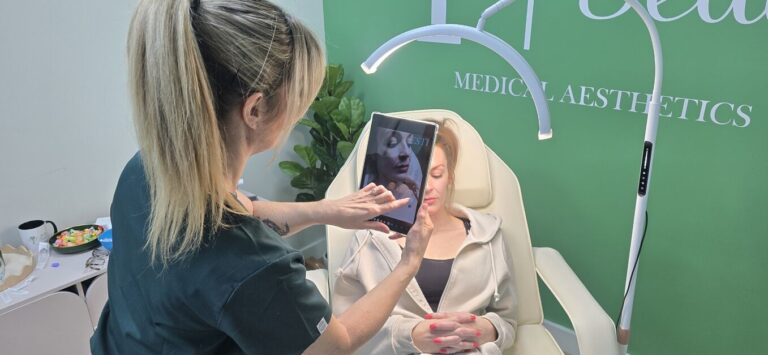
A good cheek filler appointment should never feel rushed. It should start with proper assessment and finish with clear aftercare.
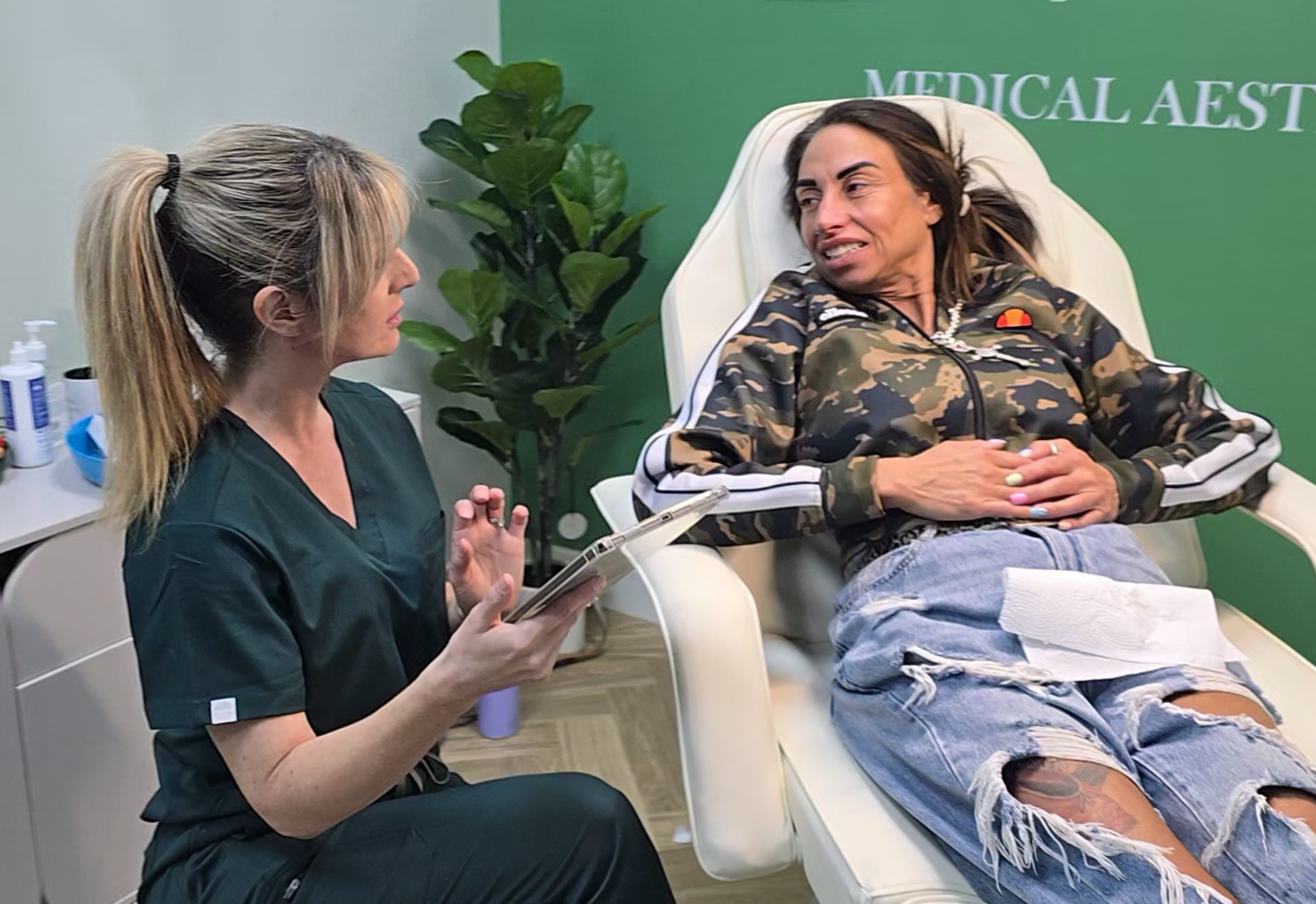
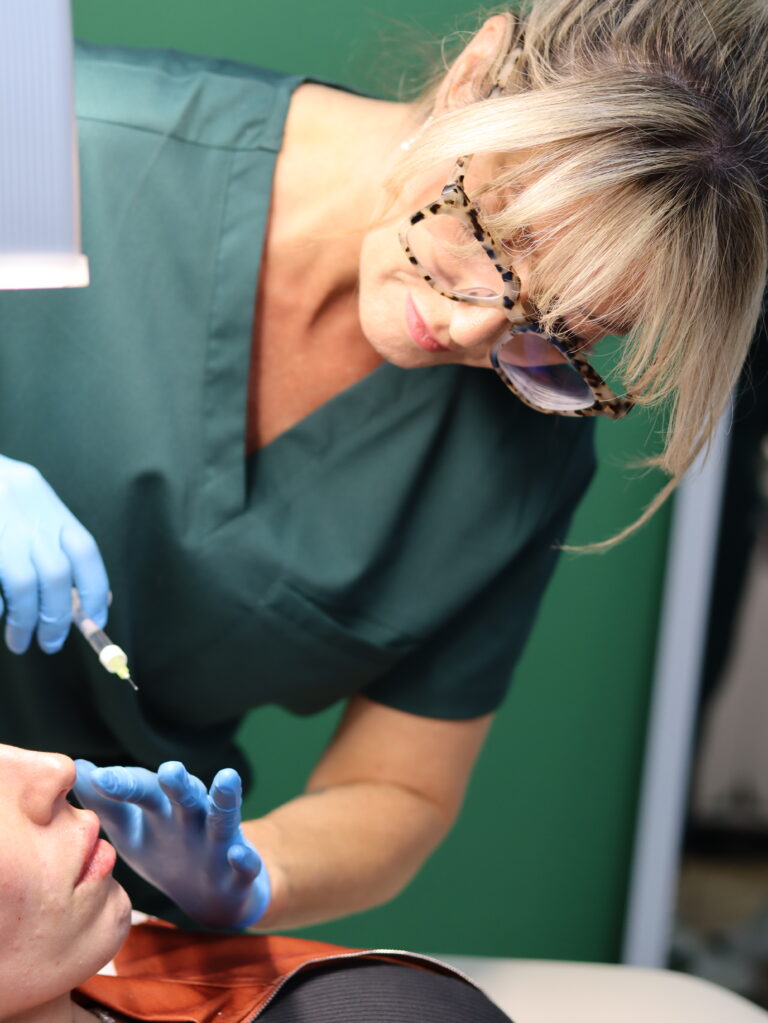
Most patients find cheek filler manageable. The area can feel strange, pressured or mildly uncomfortable during treatment, but it is not usually described as the most painful filler area.
Pain tolerance varies from person to person, and technique makes a difference. What matters more than pretending it is “pain free” is being honest: you may feel pressure, you may feel some discomfort, and you may have tenderness afterwards. That is normal.
The bigger issue is not whether it feels completely comfortable for a few moments. It is whether the treatment is being done properly.
Cheek filler cost can vary depending on:
Patients often search for the cheapest price first, but that is usually the wrong approach. Facial injectables should not be chosen like a bargain shelf item. Safety, planning, product choice and practitioner expertise matter more than chasing the lowest figure you can find.
The right question is not just “How much does cheek filler cost?” The better question is “What am I actually getting, who is doing it, and is this treatment the right one for me?”
To explore treatment pricing and options in more detail, start with our treatment information.
Patients often assume one treatment area will fix everything. That is rarely how facial balance works.
Cheek filler focuses on the mid-face. It is usually used to restore volume, create contour and support the upper face.
Chin filler is more about projection, lower-face proportion and side-profile balance. It can make a major difference to how the face looks from the side and how the lower third of the face sits overall.
Jawline filler focuses on lower-face definition and shape. It can help create clearer structure and a more sculpted frame to the face.
In some cases, treating the cheeks alone is enough. In others, a more balanced outcome comes from combining treatments in a measured, structured way. This is where full-face planning matters far more than trend-led treatment.
If hyaluronic acid filler has been used, it can usually be dissolved using hyaluronidase where medically appropriate.
That matters for two reasons. First, it provides an option if a result needs adjusting or reversing. Second, it is part of safe complication management. Any clinic carrying out dermal filler treatments should be able to discuss dissolving honestly and explain how emergencies are handled.
This is not the sort of thing most patients think about when they first start looking into filler, but they should. Safety is not just about the treatment going well. It is also about whether the clinic is properly prepared if things do not go to plan.
A good cheek filler clinic should offer:
A bad clinic usually gives itself away by rushing consultations, downplaying risks, pushing volume, copying trends or competing too aggressively on price.
Your face is not the place to cut corners.
Cheek filler restores volume, improves contour and supports the mid-face. It can also improve overall facial balance when used well.
It should not. Good cheek filler should look proportionate, subtle and natural, not overfilled or artificial.
That depends on your anatomy, goals and how much support or definition is needed. A consultation is the only honest way to answer that properly.
This varies between patients, products and treatment plans, but cheek filler is generally one of the longer-lasting filler treatments.
It can be safe when performed by a properly trained medical professional with appropriate assessment and complication management in place, but it still carries risk like any cosmetic procedure.
Yes, in most cases hyaluronic acid cheek filler can be dissolved if medically appropriate.
Cheek filler can be an excellent treatment for restoring support, improving definition and creating a fresher, more balanced look. But the quality of the result depends on far more than the filler itself.
It depends on assessment. It depends on restraint. It depends on clinical judgement. And it depends on choosing a practitioner who is focused on safe, refined outcomes rather than shortcuts or trends.
Wan D, Amirlak B, Rohrich R, Davis K. The clinical importance of the fat compartments in midfacial aging. Plast Reconstr Surg Glob Open. 2014 Jan 6;1(9):e92. doi: 10.1097/GOX.0000000000000035. PMID: 25289286; PMCID: PMC4174112.
At Awlin Beauty Medical Aesthetics, we believe cheek filler should be tailored, not templated. If you are considering treatment and want honest advice about whether it is the right fit for your face, we would be happy to help.
Book your consultation to discuss cheek filler in Maidstone and receive a personalised treatment plan based on your features, goals and safety first.
If you are ready to explore your options for cheek filler in Maidstone, visit our main treatment page to learn more or book your appointment.